Passing the baton: A service learning journey
When I first imagined PawPal, a mobile app, in 2023, my goal was simple: help reunite lost pets with their families faster to prevent them form becoming shelter intakes.
At the time, I was frustrated with the limitations of existing lost pet apps. Most allowed guardians to create lost pet reports and sometimes matched those reports with shelter records, but the process often took days, weeks, or even months. I envisioned something different—a lost pet report that instantly became a pin on a map, combined with notifications to nearby community members who might be in the best position to spot the pet. In my mind, PawPal could help reunite families in minutes or hours instead of days.
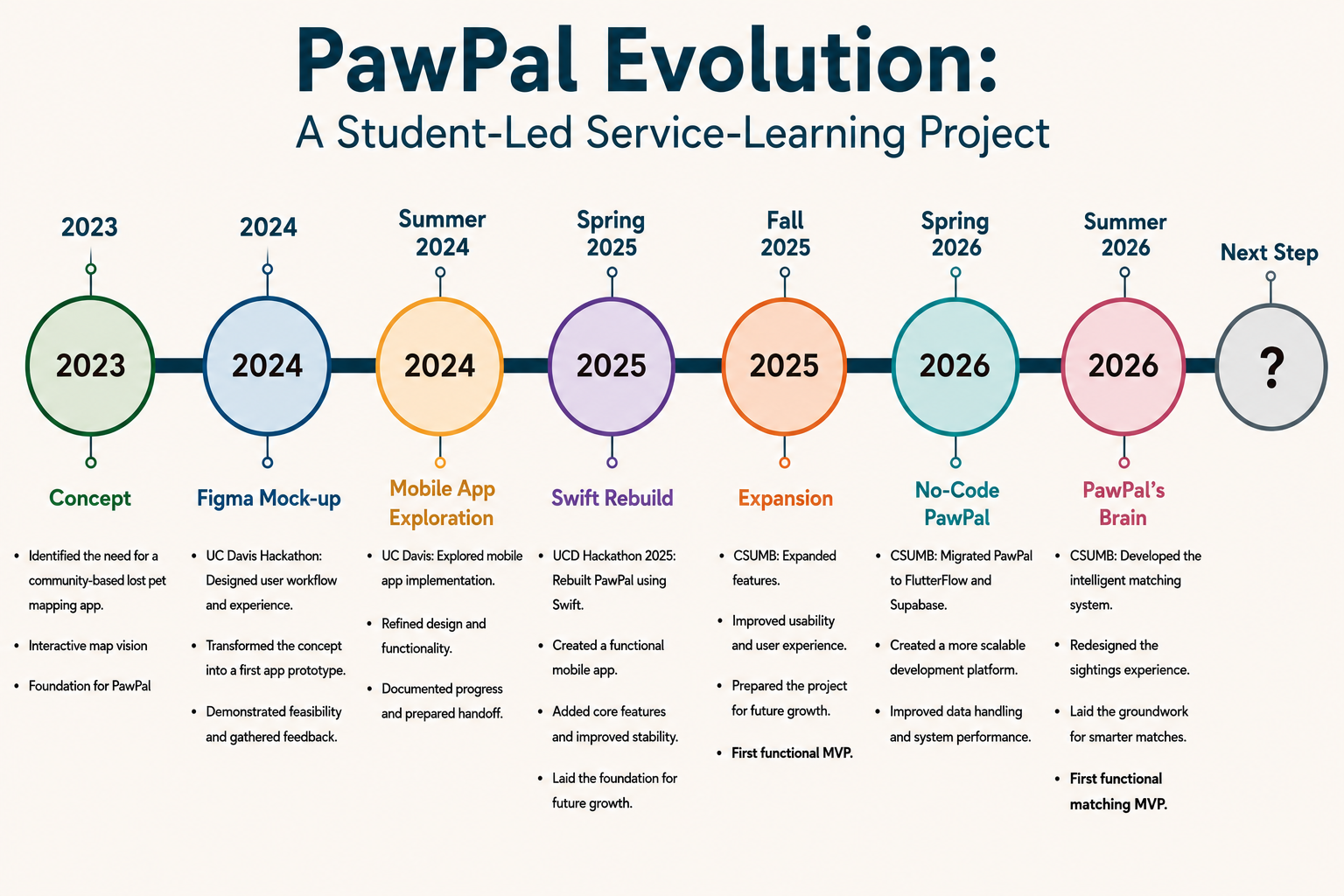
Flash forward - two years later, PawPal is much bigger than a mobile app.
Looking back, I realize that PawPal is a relay and not a race. Each student inherited the metaphorical baton from the previous team, carried it as far as they could, and then passed it to the next group. No one was expected to finish the project alone. Instead, each group moved PawPal one step closer to its destination while leaving behind knowledge, documentation, ideas, and lessons learned for those who followed. The journey became just as meaningful as the destination.
Through this experience, I believe this is what service-learning looks like in practice.
PawPal addressed a genuine community need. Students knew their work could one day help reunite lost pets with their families.
Each team contributed to a nonprofit initiative that was intended for real-world use, giving purpose to every design decision, line of code, and discussion. Along the way, students applied software engineering, UI/UX design, databases, mapping technologies, matching algorithms, documentation, testing, and project management while solving authentic problems for a real client.
Reflection became an essential part of the process. Handoff documents encouraged students to think not only about what they had accomplished, but also about how they could prepare the next team for success. Rather than ending each semester, the project continued to grow as every team inherited the work of those before them and extended it a little farther.
What stands out most is that PawPal became more than service and more than learning—it became stewardship.
The baton kept moving.
After the UC Davis Hackathon, several students voluntarily continued working to improve what they had started. Calvin prepared detailed handoff documentation so Mohamed could continue without starting over. Mohamed did more than pass the baton; he stayed alongside the next CSUMB team, helping recruit students and answering questions as they found their footing. Daniel carried the baton into new territory by exploring whether no-code approach could accelerate PawPal's future and then passed his discoveries to Mariah's team, whose focus shifted to perhaps the most important question of all: How should PawPal think in order to reunite lost pets with their families?
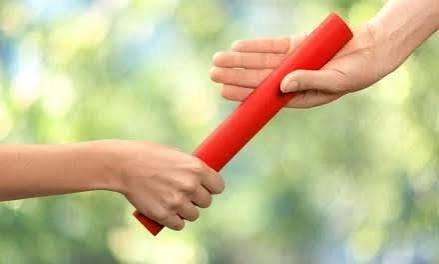
The most important moment in a relay is when two runners hold the baton together. One is letting go while the other is accepting responsibility. PawPal has been built in those moments.
Each team advanced the project in a different way, but together they moved it farther than any one person could have done alone.
As a former scientist, I have come to appreciate that meaningful discoveries are rarely the work of one individual. They are built by many minds working toward a common purpose, each building upon what came before. PawPal has reminded me that meaningful community projects grow in much the same way. Each team inherited the baton, carried it a little farther, and entrusted it to the next runner.
I still do not know when PawPal will become a fully functioning app.
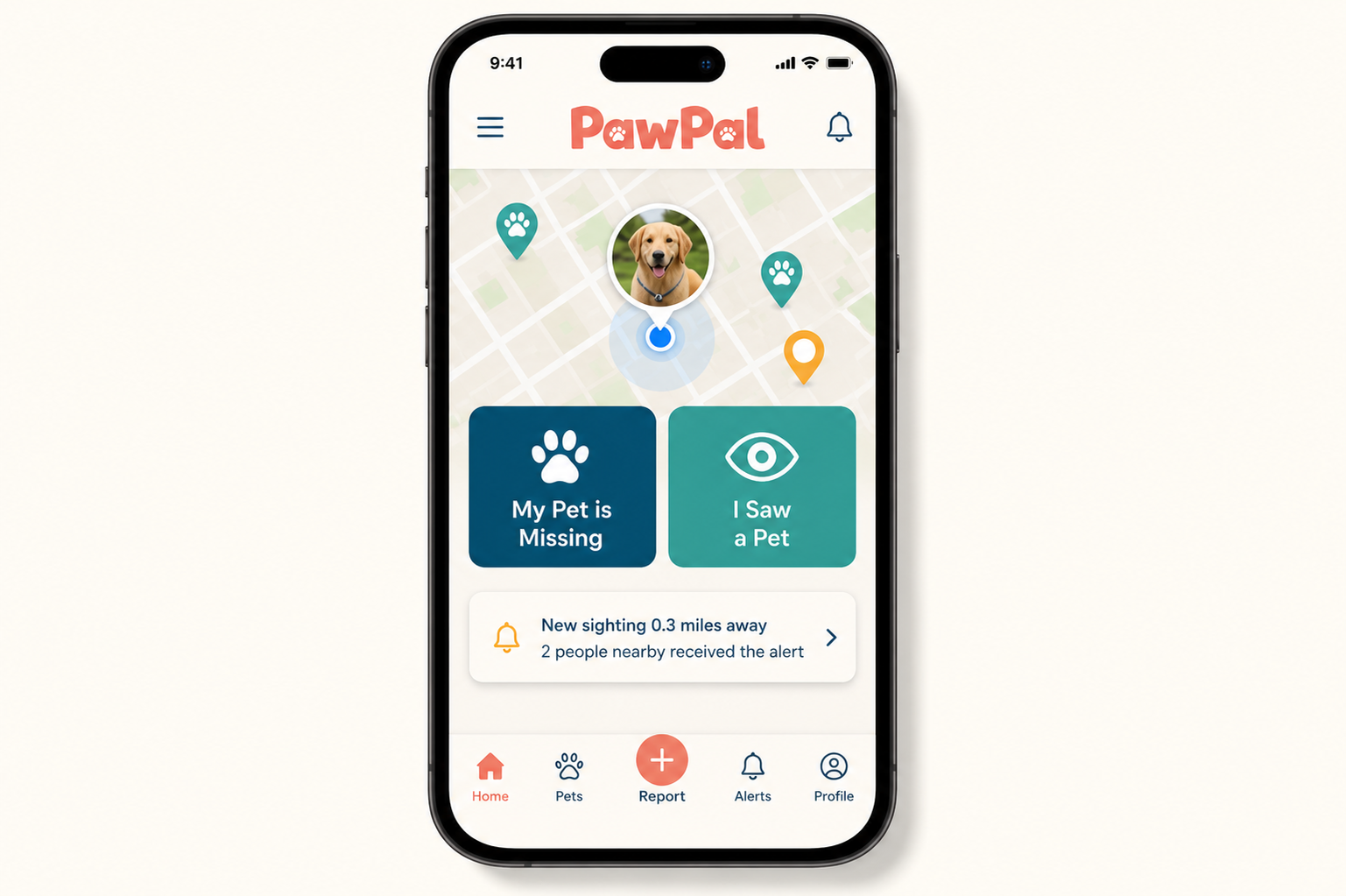
But I think something equally important has already happened. Each team became a temporary keeper of the baton, accepting the responsibility to move the project forward before placing it into the hands of the next runner. Watching that tradition develop has been just as rewarding as building the app itself. With every handoff, Pawpal became a little more functional.
One day, someone may carry that baton across the finish line and launch PawPal into the community. If that day comes, the app will not belong to one student, one team, or even one institution. It will represent the combined effort of many students who, over several years, accepted the responsibility of carrying the baton before placing it into the hands of the next runner.